BioRender-Vorlage

Sandwich ELISA

BioRender circle logo
Erstellt von 
Samara Ona
  •  
BioRender Team
Diese Vorlage verwenden – Kostenlos
Für die Registrierung ist keine Kreditkarte erforderlich.

Diese Vorlage ist in BioRender vollständig bearbeitbar

  • Tauschen Sie Text, Formen und Icons einfach aus
  • Jedes Icon, jede Linie und jedes Label lässt sich umfärben und neu anordnen
  • Exportieren oder teilen für jeden Anwendungszweck

Scientist Avatars

Schließen Sie sich über 4 Millionen Wissenschaftlern an, die bereits publikationsreife Abbildungen erstellen

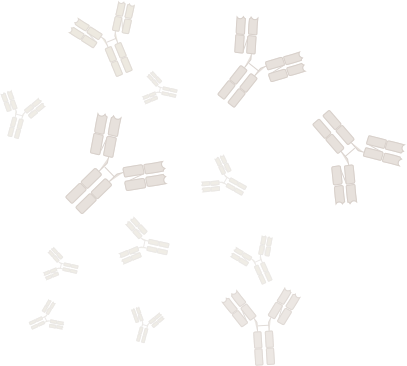
Description: This figure template "Sandwich ELISA" is assembled using dynamic BioRender assets (icons, lines, shapes and/or text) and is fully editable. To customize your own personalized figure using this template as a starting point, click "Use Template". Sandwich ELISA is an immunoassay technique used to detect and quantify antigens or antibodies in a sample. This method involves immobilizing a capture antibody on the surface of a microtiter plate, which specifically binds to the antigen of interest. A primary antibody is then added to the well, which binds to another epitope on the antigen and creates a "sandwich" between two antibodies. A detection antibody conjugated to biotin is then added to bind the primary antibody. Streptavidin-HRPO then binds biotin, and catalyzes a chromogenic substrate to produce a signal that is proportional to the concentration of the antigen. [Template description adapted from GPT3.5, 2023]

Nicht die passende Vorlage gefunden? Entdecken Sie mehr.

Durchsuchen Sie Tausende von Vorlagen aus über 30 Bereichen der Biowissenschaften.

search icon
arrow-right

Versuchen Sie es mit einem Synonym oder registrieren Sie sich, um in der App eine Vorlage vorzuschlagen.

BioRender-Vorlagen-FAQs

What does the Sandwich ELISA template show?

This figure template "Sandwich ELISA" is assembled using dynamic BioRender assets (icons, lines, shapes and/or text) and is fully editable. To customize your own personalized figure using this template as a starting point, click "Use Template". Sandwich ELISA is an immunoassay technique used to detect and quantify antigens or antibodies in a sample. This method involves immobilizing a capture antibody on the surface of a microtiter plate, which specifically binds to the antigen of interest. A primary antibody is then added to the well, which binds to another epitope on the antigen and creates a "sandwich" between two antibodies. A detection antibody conjugated to biotin is then added to bind the primary antibody. Streptavidin-HRPO then binds biotin, and catalyzes a chromogenic substrate to produce a signal that is proportional to the concentration of the antigen. [Template description adapted from GPT3.5, 2023]

Is the Sandwich ELISA template free to use?

Yes, you can customize this template with a free BioRender account (no credit card required). Paid plans unlock additional export formats, higher-resolution downloads, and publication permissions.

Can I edit or customize this template?

Yes, every element is fully editable. Icons, labels, colors, arrows, shapes and layout can all be changed to match your preferences or needs using BioRender's drag-and-drop editor. You can add or remove elements to fully customize your use case.

Is this template accepted for use in journals, theses, or grant applications?

Yes, BioRender icons and templates meet journal, grant, and copyright standards for publication, and many researchers cite BioRender directly in their figure legends.

How do I cite BioRender if I use this template?

Unlock publication permissions with a paid plan, and include 'Created with BioRender.com' in your figure legend, or cite BioRender directly per your journal's guidelines.

What is Sandwich ELISA used for / who typically uses this template?

Researchers and scientists use this template for publications, funding proposals, grant applications, presentations, posters, and more.

Bereit für den Start?

Erstellen Sie noch heute professionelle wissenschaftliche Abbildungen
antibody elements3D Phospholipid illustration