BioRender Icon

Exocrine cells (apocrine)

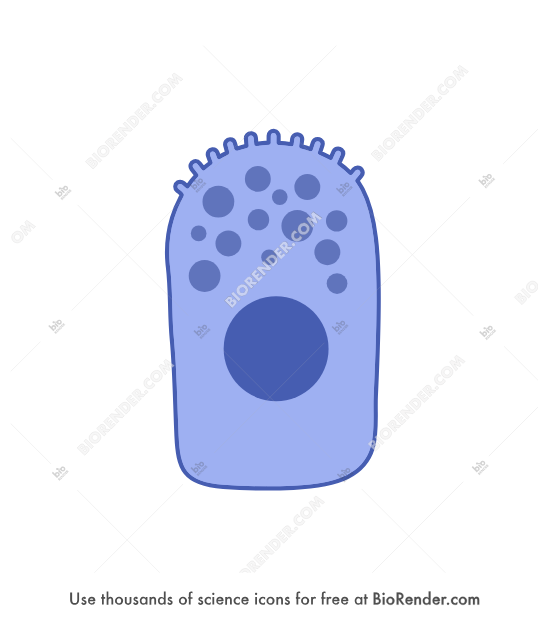
Exocrine cells (apocrine) - Editable icon of a row of three exocrine cells with intracellular hormone, releasing via decapitation from the apical surface
[{"image":"https://icons.cdn.biorender.com/w75xh75/5be1ed15df7f0b120034bd6c/5be1ece7df7f0b120034bd5e.png","waterMarkImage":"https://icons.cdn.biorender.com/w550xh620/5be1ed15df7f0b120034bd6c/5be1ece7df7f0b120034bd5e.png"},{"image":"https://icons.cdn.biorender.com/w75xh75/5be1ed15df7f0b120034bd6b/5be1ece7df7f0b120034bd5e.png","waterMarkImage":"https://icons.cdn.biorender.com/w550xh620/5be1ed15df7f0b120034bd6b/5be1ece7df7f0b120034bd5e.png"},{"image":"https://icons.cdn.biorender.com/w75xh75/5be1ed15df7f0b120034bd6a/5be1ece7df7f0b120034bd5e.png","waterMarkImage":"https://icons.cdn.biorender.com/w550xh620/5be1ed15df7f0b120034bd6a/5be1ece7df7f0b120034bd5e.png"},{"image":"https://icons.cdn.biorender.com/w75xh75/5be1ed15df7f0b120034bd69/5be1ece7df7f0b120034bd5e.png","waterMarkImage":"https://icons.cdn.biorender.com/w550xh620/5be1ed15df7f0b120034bd69/5be1ece7df7f0b120034bd5e.png"},{"image":"https://icons.cdn.biorender.com/w75xh75/5be1ed15df7f0b120034bd68/5be1ece7df7f0b120034bd5e.png","waterMarkImage":"https://icons.cdn.biorender.com/w550xh620/5be1ed15df7f0b120034bd68/5be1ece7df7f0b120034bd5e.png"},{"image":"https://icons.cdn.biorender.com/w75xh75/5be1ed15df7f0b120034bd67/5be1ece7df7f0b120034bd5e.png","waterMarkImage":"https://icons.cdn.biorender.com/w550xh620/5be1ed15df7f0b120034bd67/5be1ece7df7f0b120034bd5e.png"},{"image":"https://icons.cdn.biorender.com/w75xh75/5be1ed15df7f0b120034bd66/5be1ece7df7f0b120034bd5e.png","waterMarkImage":"https://icons.cdn.biorender.com/w550xh620/5be1ed15df7f0b120034bd66/5be1ece7df7f0b120034bd5e.png"},{"image":"https://icons.cdn.biorender.com/w75xh75/5be1ed15df7f0b120034bd65/5be1ece7df7f0b120034bd5e.png","waterMarkImage":"https://icons.cdn.biorender.com/w550xh620/5be1ed15df7f0b120034bd65/5be1ece7df7f0b120034bd5e.png"},{"image":"https://icons.cdn.biorender.com/w75xh75/5be1ed15df7f0b120034bd64/5be1ece7df7f0b120034bd5e.png","waterMarkImage":"https://icons.cdn.biorender.com/w550xh620/5be1ed15df7f0b120034bd64/5be1ece7df7f0b120034bd5e.png"},{"image":"https://icons.cdn.biorender.com/w75xh75/5be1ed15df7f0b120034bd63/5be1ece7df7f0b120034bd5e.png","waterMarkImage":"https://icons.cdn.biorender.com/w550xh620/5be1ed15df7f0b120034bd63/5be1ece7df7f0b120034bd5e.png"},{"image":"https://icons.cdn.biorender.com/w75xh75/5be1ed15df7f0b120034bd62/5be1ece7df7f0b120034bd5e.png","waterMarkImage":"https://icons.cdn.biorender.com/w550xh620/5be1ed15df7f0b120034bd62/5be1ece7df7f0b120034bd5e.png"},{"image":"https://icons.cdn.biorender.com/w75xh75/5be1ed15df7f0b120034bd61/5be1ece7df7f0b120034bd5e.png","waterMarkImage":"https://icons.cdn.biorender.com/w550xh620/5be1ed15df7f0b120034bd61/5be1ece7df7f0b120034bd5e.png"},{"image":"https://icons.cdn.biorender.com/w75xh75/5be1ed15df7f0b120034bd60/5be1ece7df7f0b120034bd5e.png","waterMarkImage":"https://icons.cdn.biorender.com/w550xh620/5be1ed15df7f0b120034bd60/5be1ece7df7f0b120034bd5e.png"},{"image":"https://icons.cdn.biorender.com/w75xh75/5be1ed15df7f0b120034bd5f/5be1ece7df7f0b120034bd5e.png","waterMarkImage":"https://icons.cdn.biorender.com/w550xh620/5be1ed15df7f0b120034bd5f/5be1ece7df7f0b120034bd5e.png"}]
Use This Icon – Free
No credit card required to sign up.

This icon is fully editable in BioRender

  • Add text, shapes, & other icons
  • Search 50,000+ scientifically accurate icons
  • Recolor and rearrange every icon, line, & label
  • Export or share for any use case
Scientist Avatars

Join 4M+ scientists already making publication-ready figures

Go from icons to finished figure – in minutes

  • Search from 50,000+ scientifically accurate, peer-reviewed icons
  • Customize with labels, shapes, and additional icons – everything is completely editable
  • Export or share your figures with collaborators

Not quite the right template? Discover more.

Search thousands of templates across 30+ life-science fields.

search icon
arrow-right
Keywords
duct,gland,exocrine gland,exocrine cell,apocrine cell,apocrine gland
View More

Try a synonym, or sign up to request an icon from the app.

Image types

Exocrine cells (apocrine) icon JPEG

Exocrine cells (apocrine) icon PNG

Exocrine cells (apocrine) icon SVG

Exocrine cells (apocrine) icon GIF

Biorender Icon FAQs

How are scientists using the Exocrine cells (apocrine) icon in their work?

BioRender users often use the Exocrine cells (apocrine) icon in posters, grant applications, educational materials, and graphical abstracts. It’s especially useful for projects involving Cell Types.

Can I use this icon in a BioRender figure or scientific illustration?

Yes, the Exocrine cells (apocrine) is fully integrated into BioRender’s drag-and-drop platform. You can easily add it to any scientific figure, workflow, or poster, whether you’re building from scratch or starting with a BioRender template.

Is the Exocrine cells (apocrine) icon customizable in BioRender?

Most icons in BioRender, including the Exocrine cells (apocrine) icon, are customizable. You can adjust icon size, colors, and positioning, and add custom labels to tailor the design to your specific research context.

Can I export figures that include the Exocrine cells (apocrine) icon for publication or presentations?

Yes, figures containing the Exocrine cells (apocrine) icon can be exported in multiple formats, including PNG, JPG, PDF, and SVG. High-resolution and vector exports are available on paid plans, making them ideal for journals, slide decks, and print materials.

How do I cite BioRender if I use this icon?

Unlock publication permissions with a paid plan, and include 'Created with BioRender.com' in your figure legend, or cite BioRender directly per your journal's guidelines.

Is the Exocrine cells (apocrine) icon used in BioRender templates or poster layouts?

Many BioRender templates include icons like the Exocrine cells (apocrine) icon — especially those focused on Cell Types. You can search BioRender’s template library or add this icon manually to any canvas.

What is BioRender?

BioRender is a web‑based software that helps you create scientific figures in minutes. Use this Exocrine cells (apocrine) icon along with our library of more than 30,000 life science icons.

Looking for science content?

Browse 50K+ icons and templates that are peer-reviewed, easy to use, and free.

Find yours now
x icon